
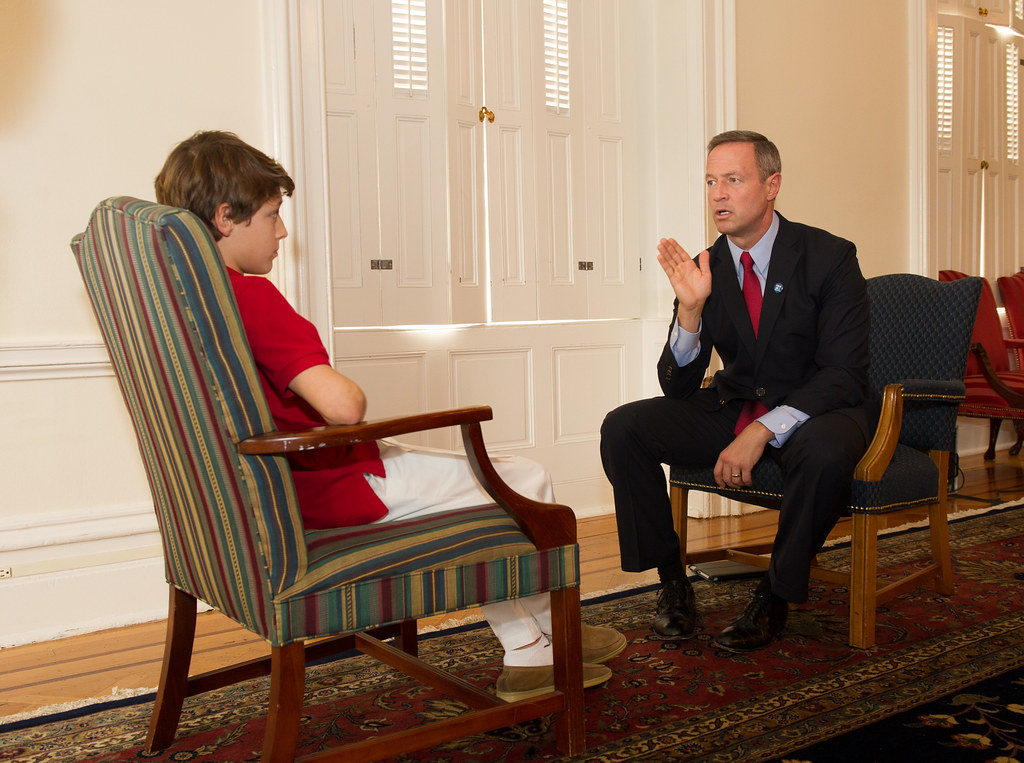
After an executive interview was fully drafted, the executive's communications team flagged one specific sentence as something they disputed having been said in the way our notes recorded it - not a request to soften an unflattering quote, but a genuine factual dispute about what was actually said during the conversation.
Why this required real care to resolve
We record interviews specifically to avoid disputes like this, and in this case our recording clearly supported our original transcription. But the executive's genuine, apparently sincere uncertainty about their own recollection meant this wasn't simply a bad-faith attempt to walk back a quote - it required a careful, respectful resolution rather than a simple recording-wins dismissal.
How we resolved it
We offered to let them listen to the specific recorded segment themselves, which they did, and which resolved the factual dispute directly since the recording was unambiguous. The quote ran as originally transcribed, and the executive, to their credit, accepted the recording's accuracy once they heard it.
Why we think this process mattered
Resolving a factual dispute about a quote through direct, verifiable evidence, rather than through negotiation or a unilateral editorial decision to simply hold firm, treated the executive's genuine uncertainty with more respect while still protecting the accuracy of what we published.
Why we now record every interview as standard practice specifically because of cases like this
Genuine disputes about what was said do happen, even without bad faith on either side, and having an unambiguous record to resolve them is what allows us to hold firm on accuracy without the resolution turning into an unproductive standoff.