
The AI Strategy Document That Improved After We Made It Shorter

Cutting a strategy document from forty pages to four forced clarity that the longer version had been quietly avoiding.
The AI Workforce Transition Companies Handle Better Than Expected

Contrary to the dominant narrative, some categories of AI-driven workforce change have gone more smoothly than predicted. It’s worth understanding why.
AI Leadership Is Learning to Say ‘Not Yet’ Instead of ‘No’

Outright rejecting an AI proposal creates political costs a leader often can’t afford. A specific, revisitable ‘not yet’ is proving more durable.
AI Market Trend Forecasts Keep Missing the Same Direction of Error
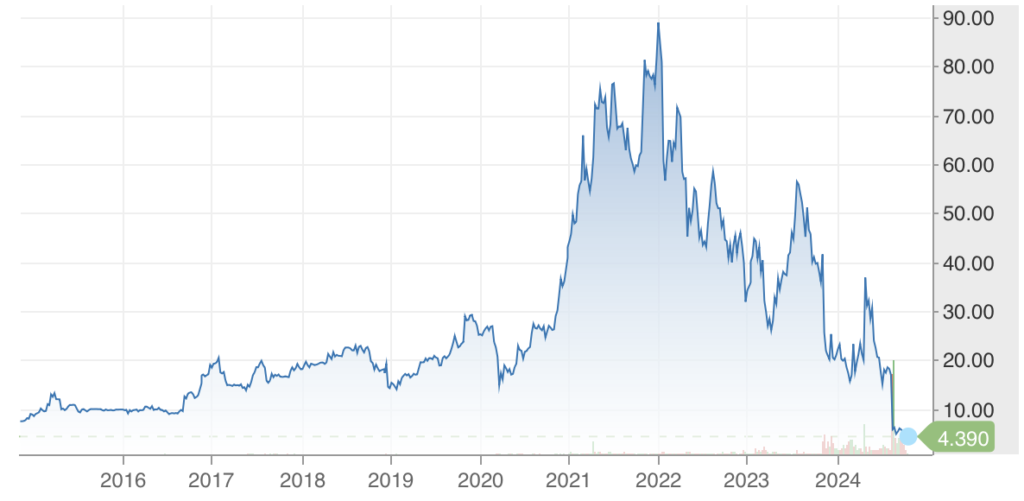
Reviewing past AI market forecasts against what actually happened reveals a consistent pattern in which direction they tend to be wrong.
The AI Investment Case That Doesn’t Depend on the Technology Improving

The most defensible AI investments are the ones that still make sense even if current capability never improves from here.
Why AI Adoption Surveys Should Ask About Abandonment, Not Just Uptake

Almost every AI adoption survey measures who started using a tool. Almost none measure who tried it and quietly stopped.
AI Transformation Metrics That Look Good and Mean Nothing

Seats licensed and logins recorded are the easiest AI transformation metrics to report and among the least connected to actual value delivered.
The Cheapest Way to Test an AI Strategy Before Committing Real Budget

A structured pre-mortem exercise catches more strategic flaws than months of planning meetings, at a fraction of the cost.
The AI Workforce Question Companies Answer Privately But Never Publicly

Internally, companies model specific headcount reductions from AI deployment. Publicly, the same companies describe only augmentation. Both can be true at once.
AI Leadership’s Hardest Skill Isn’t Technical, It’s Sequencing

Deciding what to deploy first, and what to deliberately delay, separates effective AI leaders more than technical depth does.